The Ultimate Buyer Guide for a Shaft-Mounted Industrial Gearbox

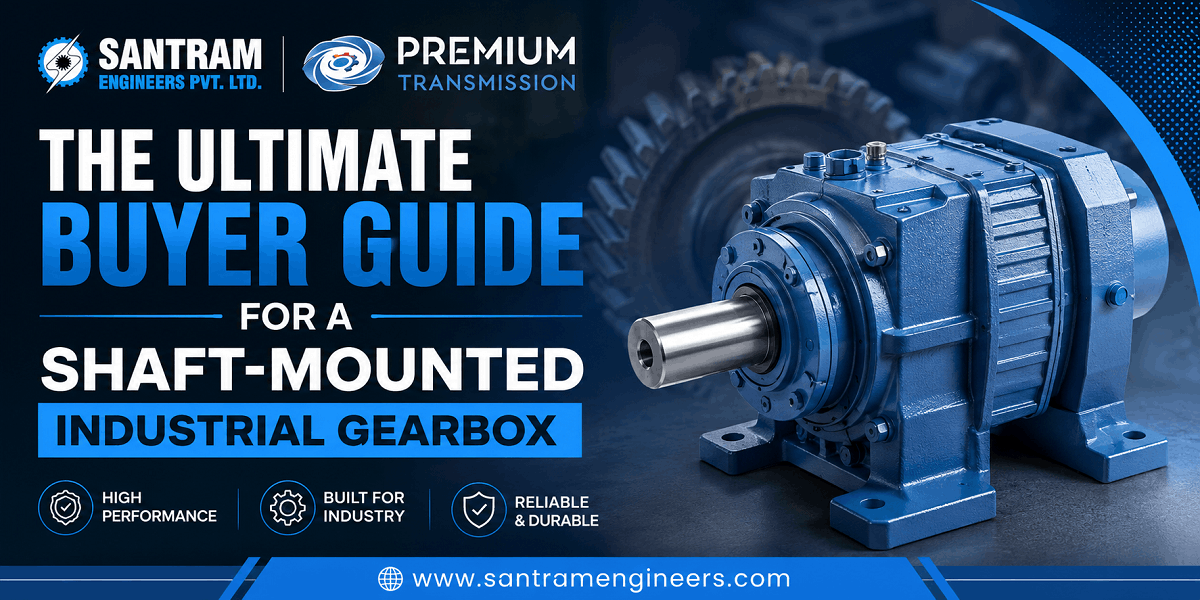
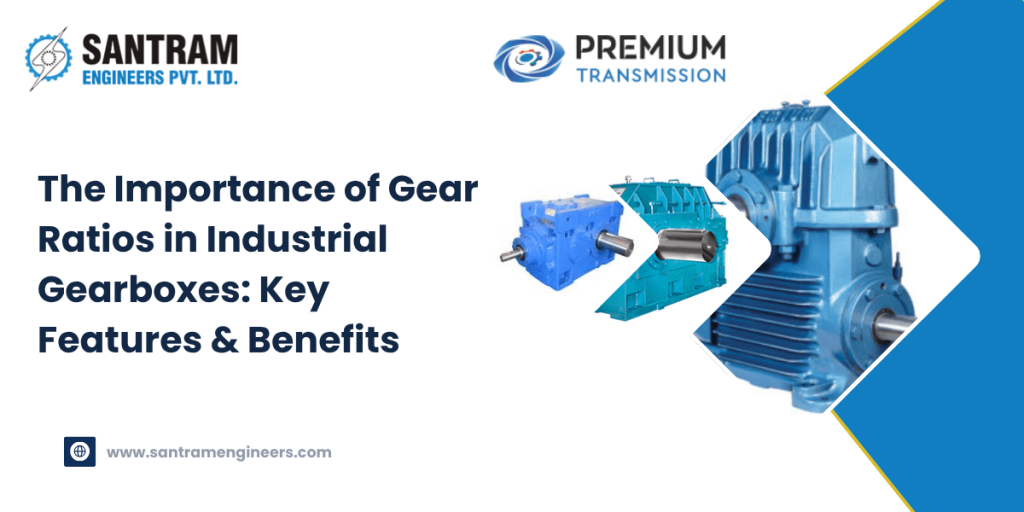
A shaft-mounted industrial gearbox, often shortened to SMSR, is a speed reducer that slides its hollow output shaft directly onto the driven equipment shaft instead of standing on its own foundation. This removes the coupling and alignment work that foot-mounted gearboxes usually require. For plant engineers dealing with belt conveyors, bucket elevators, and mixing equipment, that difference matters immediately. A standard foot-mounted gear reducer needs its own baseplate, precise shaft alignment, and a flexible coupling to connect to the driven shaft. An SMSR unit skips all of that by mounting straight onto the shaft itself, held in place only by a torque arm that resists rotation.
What Exactly Is a Shaft-Mounted Industrial Gearbox
The Core Mechanical Design and Helical Gear Internals
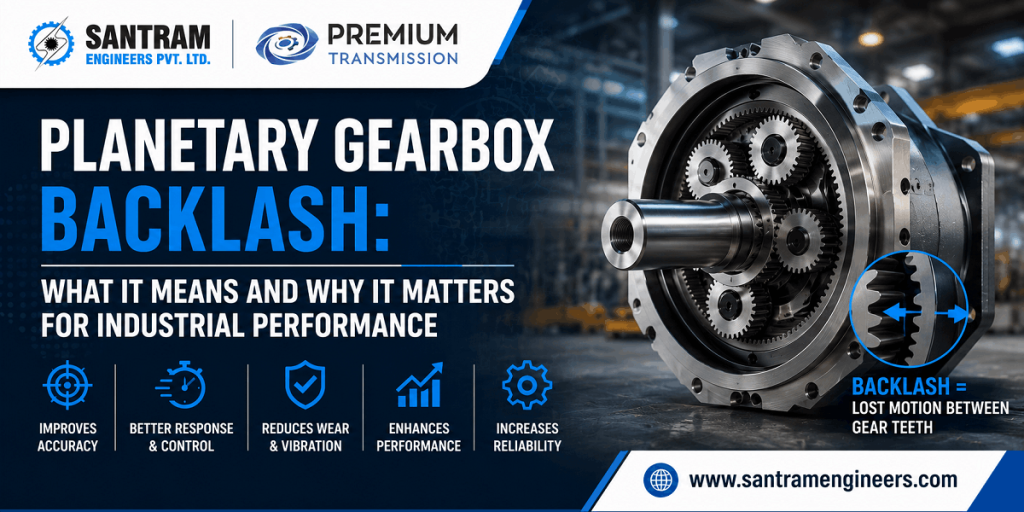
Inside an SMSR unit, an enclosed helical gearing system does the actual work of reducing speed and increasing torque. The helical teeth are cut at an angle, so several teeth stay in contact at once rather than one tooth engaging and disengaging sharply. That overlapping contact spreads load more evenly across the gear face, which is what gives helical gearboxes their characteristically quiet, smooth running compared to older spur-gear designs. For anyone comparing internal gear architectures before committing to a purchase, it’s worth reviewing the broader fundamentals of helical and planetary gearbox design, since the internal gear geometry carries over into most shaft-mounted units.
How the Hollow Output Shaft Eliminates Complex Alignment Frameworks
The hollow output shaft is the part that actually defines an SMSR. The bore slides directly onto the driven shaft — a conveyor pulley shaft, for example — and is secured with a shrink disc or keyway arrangement. Because the gearbox is now physically riding on the driven shaft, there’s no separate low-speed coupling to install, no separate bearing housing to align, and no risk of the two components drifting out of alignment over time the way a foot-mounted, coupled setup can.
Top Reasons Mechanical Engineers Prefer SMSR Units in Harsh Environments
In practice, the appeal of shaft-mounted gearboxes shows up most clearly on plant floors where dust, mud, and constant vibration destroy anything with a loose tolerance. Engineers working in quarries and cement plants tend to prefer these units for reasons that go beyond the spec sheet.
1. Elimination of Flexible Couplings and Foundation Alignments
A flexible coupling connecting a foot-mounted reducer to a driven shaft is only as good as the foundation underneath it. Structural shifts, thermal expansion, and general settling over months of operation gradually knock that alignment out, and a misaligned coupling wears unevenly until it fails — often taking bearings and seals with it. Direct shaft mounting bypasses this vulnerability entirely, since there’s no separate coupling alignment to maintain in the first place.
2. Maximum Space Optimization on Tight Factory Floors
An SMSR unit has a genuinely compact footprint. It occupies the space around the driven shaft itself rather than requiring a wide steel baseplate, a foundation pad, and clearance for a coupling guard. On a crowded conveyor gallery or a retrofit project where floor space was never planned for a gearbox, that compactness is often the deciding factor over a traditional foot-mounted reducer.
3. Quick Belt Tension Settings via the Integrated Torque Arm
The torque arm is the assembly that keeps the gearbox from spinning around the shaft it’s mounted on — it anchors the housing back to a fixed point, usually the equipment frame. On V-belt driven units, that same torque arm typically includes a turnbuckle, which lets a technician tighten or loosen belt tension by adjusting a single bolt rather than repositioning the entire industrial gearbox on its mount. This is a small detail on paper, but it saves real maintenance time on units that get belt-tension checks every shift.
Crucial Engineering Metrics for Precise Selection
Choosing the right unit off a datasheet requires more than matching a horsepower rating. A few specific figures determine whether an SMSR will hold up under load or fail early.
1. Exact Torque Requirements and Overhung Load Capacities
Output torque should be calculated from the actual demands of the driven machine — belt pull, material load, and starting torque all factor in — not estimated from motor horsepower alone. Overhung load capacity, the side load the output shaft can tolerate from belt tension or sprocket pull, matters just as much. Ignore the overhung load limit during procurement and the risk isn’t gradual wear; it’s a snapped shaft, usually at the worst possible time in a production run.
2. Output RPM and Backstop Requirements for Inclined Conveyors
The reduction ratio has to be selected to hit the target output RPM for the specific application, which varies significantly between a flat conveyor and an inclined one. On inclined conveyors carrying bulk material, an internal backstop becomes critical — it prevents the belt and its load from sliding backward the instant power cuts out, which is both a safety issue and a fast way to damage the gearbox internals if the unit isn’t rated for it.
3. Proper Service Factors Based on Daily Operational Hours
The service factor is a multiplier applied to account for how demanding the actual duty cycle is, not just the nameplate horsepower. A uniform, steady load running a standard shift looks very different from a heavy shock load running continuously, and the two shouldn’t be specified the same way.
| Service Factor | Typical Load Type | Common Application |
|---|---|---|
| 1.4 | Uniform, steady load | Standard single-shift conveyor operation |
| 1.7 | Moderate shock load | Two-shift operation with variable material flow |
| 2.0 | Heavy shock load, continuous duty | 24-hour cement, quarry, or crusher circuit operation |
Choosing a lower service factor than the actual duty cycle demands is one of the most common reasons an otherwise correctly sized industrial gearbox fails well before its expected service life.
Ideal Heavy Industrial Applications Across India
Shaft-mounted gearboxes show up across a wide range of Indian heavy industry, and the reasons they get specified vary by sector.
1. Bulk Material Handling and Quarry Conveyor Belts
Aggregate and sand mining operations rely almost exclusively on SMSR drives for their conveyor systems, largely because the sealed, compact housing tolerates the heavy abrasive dust exposure that would quickly damage exposed coupling components on a foot-mounted alternative. Reviewing how to select the right gearbox for conveyor systems is a useful next step before finalizing a conveyor drive specification.
2. Heavy Duty Industrial Agitators and Mixing Vessels
Chemical processing and water treatment plants commonly use top-mounted vertical SMSR configurations on agitators and mixing vessels. These units are specifically designed to handle the axial thrust generated by fluid resistance against the mixing blades, which is a very different load profile than the radial belt loads seen in conveyor applications.
3. Aggregate Crushers and Asphalt Plants
Crusher circuits subject gearboxes to sudden, severe shock loads the moment raw stone enters the crushing chamber. The torque arm assembly plays a protective role here beyond just anchoring the unit — it absorbs a portion of that shock before it transmits fully into the internal gear train, extending the working life of the gears themselves.
4. Bucket Elevators in Grain and Cement Facilities
Vertical transport in modern silo operations creates a specific challenge at the head section of the elevator, where floor space is essentially nonexistent. The compact profile of an SMSR unit fits into that constrained space in a way a foot-mounted reducer typically cannot without significant structural modification.
How to Safeguard Your Drive Against Early Mechanical Failure
Routine Lubrication Schedules and Premium Oil Grade Selection
Oil choice has more influence over the actual working lifespan of high-speed industrial drives than most maintenance schedules give it credit for. Beyond following the recommended change interval, checking oil seal integrity is essential in hot or humid factory environments, where moisture ingress into the gear case is a leading cause of premature bearing corrosion. A closer look at oil grade recommendations across gearbox types is worth a maintenance team’s time, since not every unit uses the same specification.
Correct Torque Arm Installation to Prevent Housing Stress
A torque arm needs to allow a small amount of floating movement — rigid, fully fixed anchoring works against the design and puts unnecessary stress on the housing. The pivot pin should be placed so the arm can move slightly with vibration and thermal expansion rather than fighting it. Getting this wrong during commissioning is a quiet but common cause of early housing cracks, so it’s worth following a proper installation guide for industrial gearboxes rather than relying on general experience alone.
The Financial Return on Premium Altra Gearboxes
Lower Total Cost of Ownership Compared to Generic Alternatives
A premium Altra gearbox typically costs more upfront than a generic equivalent, but the comparison changes once energy efficiency and unplanned downtime enter the calculation. Fewer replacement shutdowns and lower running losses over a standard ten-year operating window generally offset the higher purchase price, particularly on units running continuous shifts where even small efficiency gains compound significantly.
Why Authorized Distribution Protects Your Plant Capital
Buying through an authorized distributor matters more than it might seem, because it’s the difference between getting genuine spares with matched tolerances and getting something that fits but doesn’t perform the same under load. Santram Engineers works as a reliable supply partner for industrial gearbox and premium transmission needs, with direct access to genuine spares and engineering support rather than aftermarket substitutes. Brands sourcing from an established gearbox manufacturer also tend to get more reliable lead times on replacement parts when a unit needs servicing. Choosing the right shaft-mounted industrial gearbox ultimately comes down to matching torque, overhung load, and service factor to the actual duty cycle rather than the nameplate rating, and sourcing that unit through a distributor who can back it with genuine parts and real engineering support. Skipping either step tends to show up later as unplanned downtime, which almost always costs more than the gearbox itself.
Frequently Asked Questions
What is the main difference between a shaft-mounted and foot-mounted gearbox?
A shaft-mounted unit slides its hollow output shaft directly onto the driven shaft, removing the need for a separate coupling and foundation alignment. A foot-mounted gearbox sits on its own baseplate and connects to the driven shaft through a flexible coupling, which requires ongoing alignment maintenance.
How do I know what service factor my application needs?
Service factor depends on how consistent the load is and how many hours per day the unit runs. A steady single-shift load typically needs a 1.4 factor, while a 24-hour operation with shock loading, like a crusher circuit, generally needs 2.0 or higher.
Can a shaft-mounted gearbox be used on an inclined conveyor?
Yes, but it needs an internal backstop to prevent the belt and material from sliding backward if power cuts out mid-operation. This isn’t optional on any meaningfully inclined conveyor carrying bulk material.
Why does the torque arm need to float instead of being rigidly fixed?
A rigidly fixed torque arm fights against normal vibration and thermal expansion, which puts continuous stress on the gearbox housing and can lead to early cracking. A properly installed pivot pin allows a small amount of natural movement without letting the unit rotate around the shaft.
Is a premium gearbox actually worth the higher upfront cost?
In most continuous-duty applications, yes — the energy efficiency gains and reduced unplanned downtime over a ten-year window generally outweigh the higher purchase price. On light-duty, low-hour applications, the return takes longer to materialize and a mid-range unit may be the more practical choice.
How often should SMSR gearbox oil be changed?
This depends on the oil grade and operating temperature, but oil condition and seal integrity should be checked on a routine schedule rather than only when a problem appears, especially in hot or humid plant environments where moisture ingress is a common cause of early bearing failure.
Secure the Right Drive Setup for Your Factory Floor
Specifying the wrong industrial gearbox, or sourcing one through an unverified channel, is an expensive mistake to discover after installation. If you’re evaluating a shaft-mounted speed reducer for a conveyor, crusher, agitator, or elevator application, it’s worth having your torque, RPM, and service factor requirements reviewed against the actual duty cycle before placing an order. Santram Engineers can review your layout drawings and provide a formal quote matched to your exact application. Reach out at +91 96247 39393 or sales@santramengineers.com to share your requirements and get started.