Worm vs Helical Gearbox: Efficiency, Cost & When to Use Each

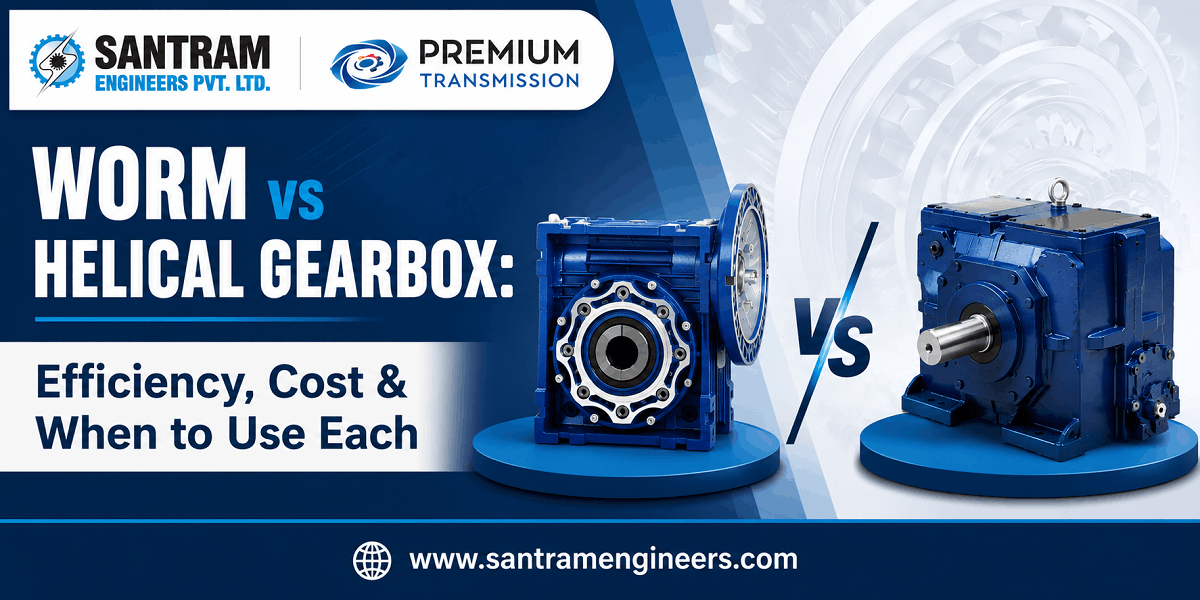
“Should I use a worm gearbox or a helical one?” It is one of the most common questions plant engineers ask us at Santram Engineers. There is no universal winner in the worm vs helical gearbox debate. Both designs are excellent engineering solutions. The right choice depends on your duty cycle, budget, and mounting space.
Get it wrong and the symptoms show up fast. A worm gearbox on a continuous high-power line gets hot and wastes energy. It also needs oversized cooling.
An over-specified helical unit on an intermittent, self-locking application costs more than it should. It solves a problem you never had.
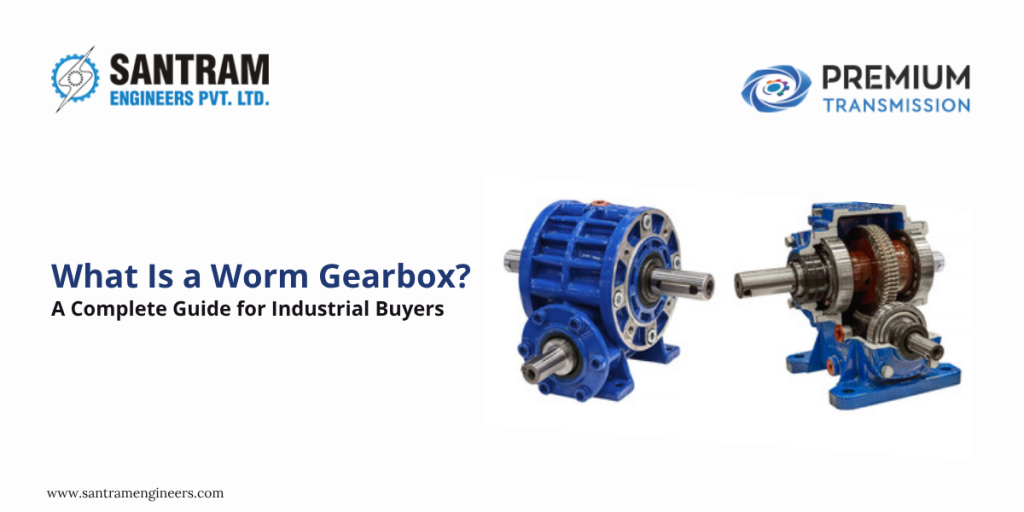
A worm gearbox uses a sliding worm-and-wheel drive that gives a high reduction ratio in a compact right-angle package with self-locking ability, but lower efficiency. A helical gearbox uses rolling, angled-tooth gears that run more efficiently and cooler, but cannot self-lock and take up more space per stage.
Choose worm gearing for compact, intermittent, right-angle, or load-holding applications. Choose helical gearing for continuous, high-power, or energy-sensitive duty. The right pick depends on hours of operation, ratio required, mounting space, and whether the load must be held without power, not on which gearbox is “better” in general.
What Is the Difference Between a Worm and Helical Gearbox?
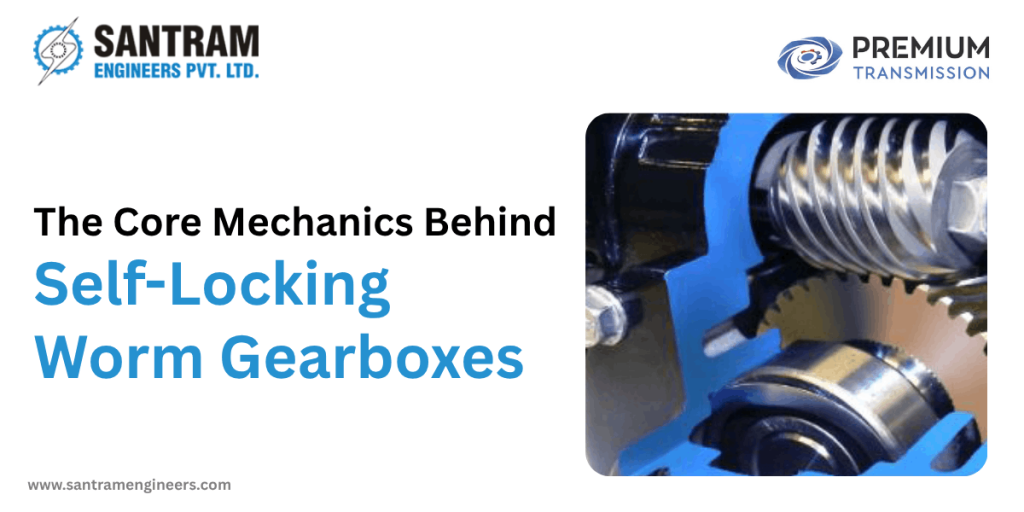
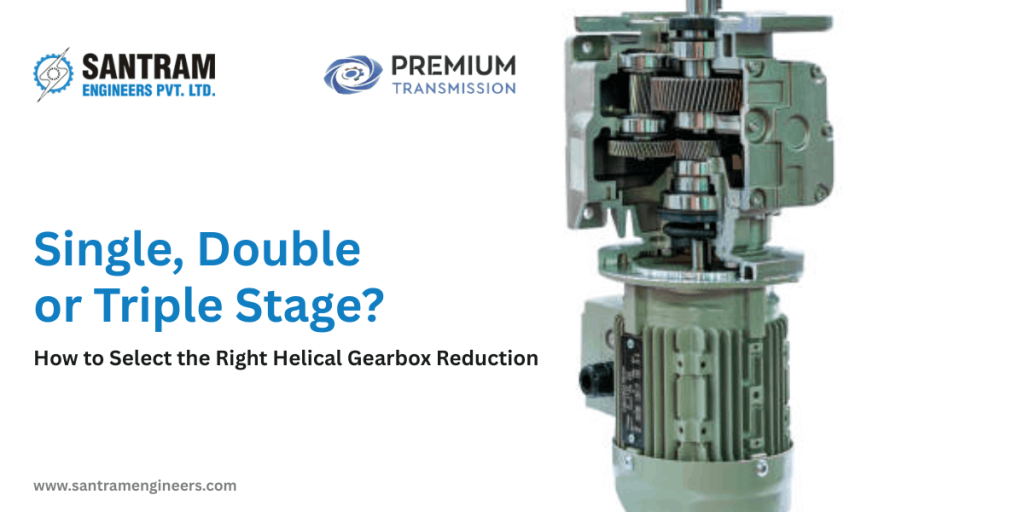
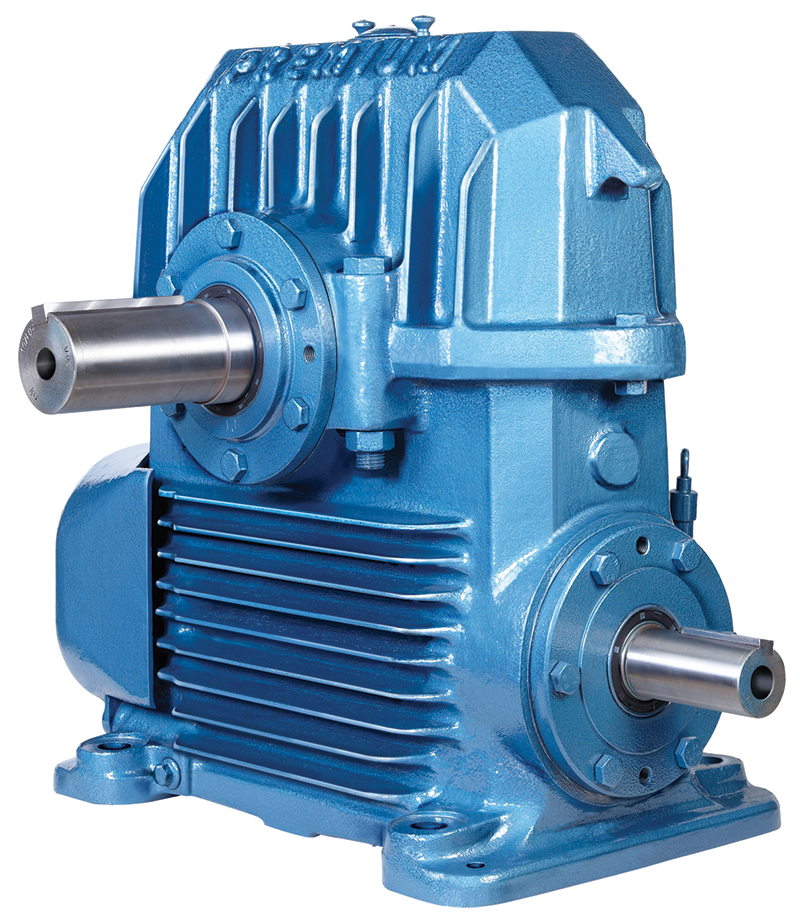
A worm gearbox uses a screw-shaped worm driving a worm wheel at a right angle. This gives high reduction in one compact stage, with quiet, sliding-contact operation. A helical gearbox uses angled teeth that engage gradually. This gives smooth, rolling-contact power transfer, available inline or as a right-angle bevel-helical unit.
Worm gearing wins on compactness, single-stage ratio range, and self-locking. Helical gearing wins on efficiency, heat generation, and long-term running cost. Neither replaces the other across the board. Each earns its place in a different part of the application spectrum.
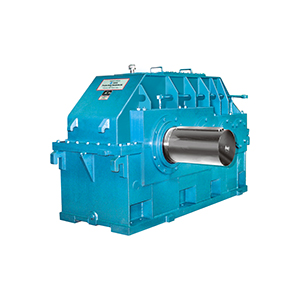
This is true across the ranges we supply as well. Premium Transmission’s worm and helical lines, which we distribute pan-India, follow the same split: the worm range is built for compact, right-angle, intermittent-friendly drives, while the helical range targets continuous, higher-power duty where efficiency drives the specification.
The worm’s sliding contact is why it can lock a load in place when the motor stops. It is also why more input energy turns into friction and heat.
The helical gear’s rolling, gradually-engaging teeth avoid that friction penalty. But they cannot self-lock. That single mechanical difference explains almost every trade-off covered below.
Efficiency and Heat: Where Worm Loses, and Where It Still Wins
This is usually the deciding factor once budget and footprint are settled. It is worth understanding the actual numbers, not just the general “helical is more efficient” line you will find on most comparison pages.
A single-stage helical gearbox typically runs at 94-98% efficiency under full load. A worm gearbox has a much wider range. It commonly falls anywhere from 50% to 90%, depending on the reduction ratio and lead angle.
Low-ratio worm units, around 5:1 to 10:1, can sit close to 85-90% efficiency. High-ratio worm units, 60:1 and above, can drop toward 50-65%. The worm-to-wheel sliding contact increases sharply as the lead angle shrinks. This is the single biggest reason two worm gearboxes from the same catalog family can behave so differently once they’re in service.
That gap matters more as ratio and duty cycle increase. A worm gearbox with 40% lost efficiency, running two shifts a day, is not just wasting electricity. The lost energy becomes heat inside the housing. Heat is what actually limits a worm gearbox’s continuous rating, not the gear teeth themselves.
When the Heat Difference Actually Matters
For an application running two or three hours a day, the efficiency gap between worm and helical rarely changes the electricity bill enough to matter. For a 24-hour continuous line, it does. A 10-15 percentage-point efficiency loss, multiplied across three shifts and 350 operating days, becomes a real number on the energy invoice.
It also becomes a thermal design problem, often before it becomes a cost problem. This is exactly the calculation worth running before choosing between energy-efficient gearbox options and a lower-cost, lower-efficiency alternative.
In practice, the common mistake we see on the shop floor is a worm gearbox specified purely on price for continuous-duty work. It then runs hotter than expected within the first few months. Persistent overheating in an industrial gearbox usually traces back to this kind of duty-cycle mismatch, not a manufacturing defect.
Where Worm Still Wins Despite the Efficiency Gap
Efficiency is not the only variable. A worm gearbox stays the better engineering choice for a high ratio in a small right-angle footprint. It is also the right call for quiet running, intermittent load, or genuine self-locking. These conditions cover a large share of material handling, mixing, and lifting equipment across Indian plants.
Cost, Footprint and Maintenance: The Real Numbers
At high reduction ratios, a worm gearbox is generally the lower initial-cost option. The single-stage design needs fewer precision-machined components than an equivalent multi-stage helical unit. A helical gearbox usually costs more upfront, but it wins on running cost. Lower friction losses translate directly into lower energy consumption over the equipment’s working life.
That trade-off is worth quantifying rather than assuming. On a continuous-duty line, the extra electricity a lower-efficiency worm gearbox consumes can offset its lower purchase price. That payback typically takes one to three years of round-the-clock operation, depending on motor size, local tariff, and ratio.
On intermittent duty, that payback period can stretch well beyond the equipment’s practical service life. This is exactly why worm gearboxes remain the sensible choice for anything running a few hours a day. Helical gearbox pricing in India varies with stage count, ratio, and mounting configuration. It pays to run this comparison against your actual quote, not a catalog list price.
On footprint, a worm gearbox gives the most compact right-angle package available in a single stage. A bevel-helical unit achieves the same 90-degree output with better efficiency. It usually needs a slightly larger housing to fit the extra gear set.
Maintenance and Lubrication
Both types are low-maintenance when correctly sized and lubricated. But they are not equally forgiving of the wrong oil.
A worm gearbox depends heavily on the correct lubricant, typically a compounded or synthetic worm gear oil. The sliding contact needs a film that a standard mineral gear oil often cannot sustain at higher temperatures. A helical gearbox is comparatively more tolerant of lubricant choice, since rolling contact generates far less shear on the oil film.
Worm vs Helical Gearbox: Quick Decision Table
| Application | Better Fit | Why |
| Continuous conveyor, multi-shift | Helical or bevel-helical | Efficiency and heat management matter over long run hours |
| Intermittent mixer or agitator | Worm or helical | Depends on power rating and actual duty cycle |
| Hoist or lift needing load holding | Worm | Self-locking capability at low lead angles |
| Light packaging or labeling line | Worm | Compact, quiet, low upfront cost |
| 24-hour high-power process line | Helical | Lower heat generation and lower energy cost |
| Tight right-angle mounting space | Worm or bevel-helical | Both fit 90-degree drives; worm is more compact |
How to Decide: A Practical Sizing Framework
Before recommending a gearbox to a plant maintenance team, we ask six questions, in this order. Each one narrows the field faster than the last.
Ask These Six Questions in Order
First, how many hours a day does the drive actually run? Use the real operating pattern, not the nameplate rating. Second, is the load smooth or shock-loaded? Worm and helical gearing tolerate shock loads differently.
Third, is energy efficiency a hard requirement, whether from an internal target or the electricity bill? Fourth, does the application need to hold a load when the motor stops? That question points straight at self-locking.
Fifth, how much mounting space is actually available on the machine frame? Sixth, is the gearbox housed in a hot or poorly ventilated enclosure? That changes how much thermal margin you need to build in.
A Worked Example From the Field
A textile mill we worked with ran a 24-hour dyeing-line conveyor on an undersized worm gearbox at a 50:1 ratio. The unit overheated every second shift. It also needed oil changes far more often than the maintenance schedule assumed.
Switching to a two-stage helical unit at the same ratio raised the upfront equipment cost by roughly 30%. But it cut the gearbox’s operating temperature enough that the oil change interval nearly doubled. The motor’s energy draw for that station also dropped measurably within the first billing cycle.
That is the pattern we see repeatedly. Continuous duty at a high ratio almost always favors helical once you account for the full operating cost, not just the invoice price.
The reverse example is just as common. A steel stockyard’s overhead hoist genuinely needs to hold a suspended load if power fails. A helical solution would need an added mechanical or electromagnetic brake to match that. A self-locking worm gearbox already does the job by design, at a fraction of the cost.
Either way, we still size every gearbox with the correct service factor for shock load, starts-per-hour, and ambient temperature. A gearbox rated for smooth, continuous load and then put on a shock-loaded, frequent-start application will run hot and wear early, regardless of whether it’s worm or helical. Efficiency and cost comparisons only hold up if the unit is sized correctly in the first place.
Worm vs Helical Gearbox: The Bottom Line
The worm vs helical gearbox choice comes down to matching mechanical strengths to your actual operating pattern, not to a single spec sheet number. Choose helical, or bevel-helical for a right-angle drive, when the application runs continuously and energy cost matters. Choose worm when the priorities are compactness, lower upfront cost, quiet operation, or genuine load-holding on an intermittent duty cycle. Either way, correct sizing against the real duty cycle decides whether the gearbox performs for its full rated life or fails early.
Frequently Asked Questions
Is a worm gearbox always cheaper than a helical gearbox?
Only on upfront cost, and mainly at higher reduction ratios where a helical unit would need multiple stages. Once you factor in energy consumption on continuous duty, a helical gearbox often costs less over its working life despite the higher purchase price.
Can a helical gearbox replace a worm gearbox in a hoist application?
Not without adding a separate brake. A helical gearbox has no inherent self-locking property. Any application that must hold a suspended load without power still needs a mechanical or electromagnetic brake alongside it.
Which gearbox runs cooler, worm or helical?
Helical, in almost every case. Rolling tooth contact loses far less energy to friction than the worm’s sliding contact, so helical gearboxes generate noticeably less heat under an equivalent load.
What ratio should push me toward a helical instead of a worm gearbox?
There is no fixed cutoff, but efficiency losses in worm gearing become more noticeable above roughly 30:1 to 40:1 on continuous duty. Below that, and especially on intermittent loads, a worm gearbox usually remains the more practical choice.
Do worm gearboxes need special oil?
Yes, typically. Most worm gearboxes need a compounded or synthetic worm gear oil to sustain the lubricant film under sliding contact. Helical gearboxes tolerate a wider range of standard industrial gear oils.
Talk to Santram Engineers Before You Finalize Your Gearbox
If you are still weighing worm against helical for a specific machine, the fastest way to get it right is simple. Walk an application engineer through your actual duty cycle, ratio, and mounting constraints, rather than guessing from a catalog.
Santram Engineers has supplied and sized worm, helical, and bevel-helical gearboxes for plants across India for over 40 years. We offer PAN India shipping and application support from sales offices in Gujarat, Maharashtra, Karnataka, Andhra Pradesh, Telangana, and Chattisgarh.
Call us at +91 96247 39393 or write to admin@santramengineers.com. Our team will help you size the right gearbox the first time, not after it overheats.