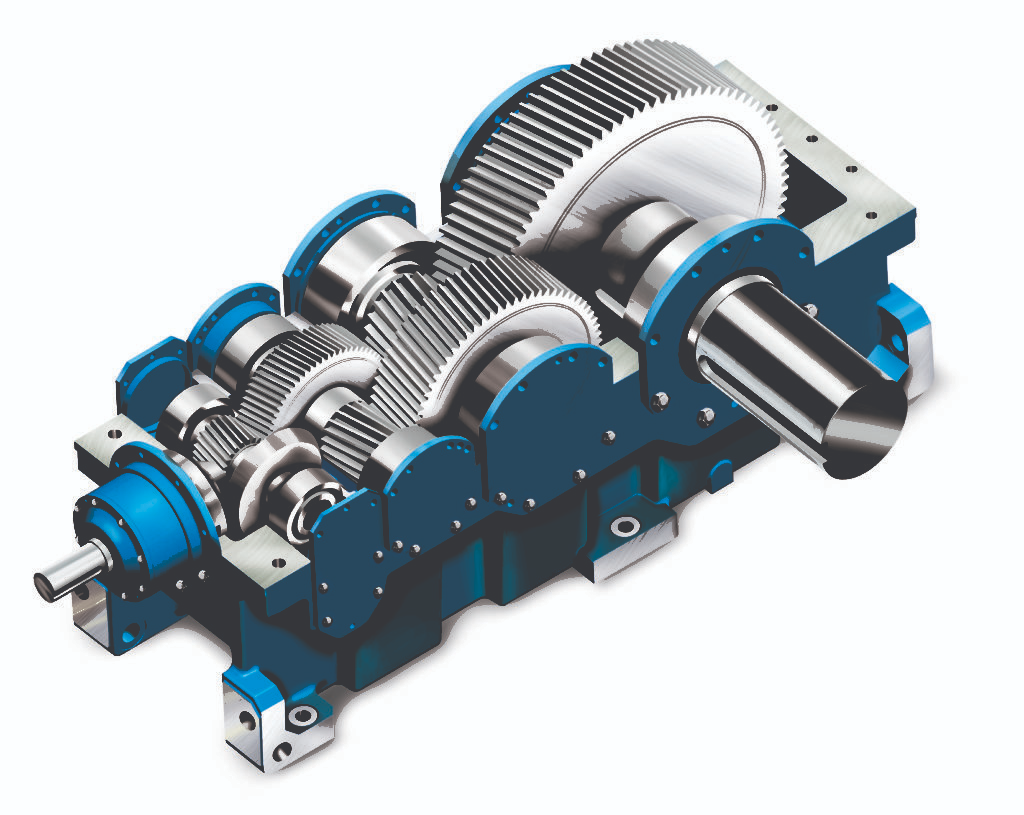

Heat is the silent enemy of mechanical efficiency. In the world of heavy machinery, maintaining the optimal temperature of industrial gearboxes is not just a maintenance task. It is critical for operational continuity. When a gearbox runs hot, it signals that energy is being wasted rather than converted into torque. Ignoring heat issues lead to oil breakdown, seal failure, and eventually catastrophic gear damage.
This guide covers why industrial gearboxes overheat and provides practical solutions to fix these issues. We will look at lubrication failures, mechanical misalignments, and environmental factors that spike temperatures. You will also learn how to troubleshoot these problems effectively.
The Thermal Baseline of Your Equipment
Before we tackle the fixes, we must define what overheating actually means for industrial gearboxes. Every unit has a thermal rating. This is the maximum power the gearbox can transmit continuously without exceeding a specific oil temperature.
Most standard gear units operate safely between 40°C and 80°C. If your housing feels excessively hot to the touch or if you see smoke or discolored paint, you likely have a thermal issue. Operating above the design limit drastically reduces the life of components. For every 10°C rise above the limit, the life of the lubricating oil is cut in half.
Knowing your baseline temperature is essential. You should measure operating temperature under full load to establish a normal range. This data helps you spot deviations early before they turn into expensive downtime.
Lubrication Issues That Cause High Temperatures
The most common reason for rising temperatures in industrial gearboxes is lubrication failure. Oil serves two purposes. It separates metal surfaces to prevent friction, and it carries heat away from the contact zones. When this system fails, heat builds up rapidly.
Incorrect Oil Viscosity
Using the wrong oil is a frequent mistake. If the oil is too thick, it causes fluid friction. The gears have to work harder to churn through the heavy fluid. This internal drag generates significant heat.
If the oil is too thin, it cannot maintain the film thickness required to keep gear teeth apart. Metal-to-metal contact occurs. This friction creates intense localised heat and rapid wear. You must always adhere to the viscosity grade recommended by gearbox manufacturers.
Improper Oil Levels
Oil quantity matters as much as quality. Many maintenance teams assume that more oil is better. This is false.
Overfilling the gearbox leads to churning losses. The gears must push through excess oil, which consumes energy and turns it into heat. The oil also creates foam. Foamy oil is a poor insulator and cannot transfer heat effectively.
Underfilling is equally dangerous. If the oil level is too low, the gears are starved of lubrication. Friction increases immediately. There is also less total fluid volume to absorb and dissipate the heat generated by the operation.
Contaminated Lubricants
Oil does not last forever. Over time, it picks up dirt, water, and metal shavings. Water contamination is particularly harmful to industrial gearboxes. It promotes rust and creates sludge. Sludge blocks oil passages and prevents fresh oil from reaching critical bearings. This lack of circulation creates hot spots within the casing.
Mechanical Overloading and Operational Stress
Even with perfect lubrication, a gearbox can overheat if it is pushed beyond its design limits.
Exceeding the Thermal Rating
We often select gearboxes based on their mechanical rating. This is the amount of torque the gears can handle without breaking. However, the thermal rating is often lower than the mechanical rating.
If you run industrial gearboxes at high speeds or under heavy continuous loads, they generate heat faster than they can dissipate it. This is common in applications where the duty cycle has increased over time without upgrading the drive system.
Shock Loads and Vibrations
Sudden impacts or shock loads disrupt the oil film. When a crusher or a conveyor starts abruptly, the gears hammer against each other. This breaks the protective layer of lubricant.
Vibration also causes heat. It indicates that energy is being lost in the system. Loose mounting bolts or a weak foundation allow the gearbox to oscillate. This movement adds stress to bearings and gears, which manifests as heat.
Misalignment and Installation Errors
Precision is key when installing industrial gearboxes. If the shafts are not aligned perfectly, the internal components fight against each other.
Shaft Misalignment
When the motor shaft and the gearbox input shaft are not collinear, it creates huge radial loads. The bearings take the brunt of this force. Overloaded bearings run very hot. You can often detect this by checking the temperature at the bearing housing. If the bearing caps are hotter than the rest of the unit, you likely have an alignment issue.
Belt and Chain Tension
Many systems use belts or chains to drive the input shaft. If these are too tight, they pull on the shaft and overload the input bearings. This friction generates heat that radiates through the shaft and into the gearbox casing.
Environmental Factors Affecting Heat Dissipation
The surroundings of the gearbox play a massive role in its operating temperature. Industrial gearboxes rely on heat transfer from the casing to the ambient air.
High Ambient Temperature
If the machinery is located near a furnace or in direct sunlight, the gearbox cannot cool down. The temperature differential between the casing and the air is too small. The heat stays trapped inside. You must account for the ambient environment when selecting the cooling method.
Restricted Airflow
Gearboxes often have cooling fans on the shaft. These fans need a clear path to pull air over the cooling fins. If the unit is covered in dust, coal powder, or sawdust, the fins cannot shed heat. The debris acts as an insulating blanket.
Installing the gearbox in a tight enclosure without ventilation also causes overheating. The air inside the box heats up and has nowhere to go.
The Role of Breathers and Venting
As industrial gearboxes heat up during operation, the air inside expands. This pressure needs to escape.
Blocked Breather Plugs
Every gearbox has a breather or a vent plug. If this vent is painted over or clogged with dirt, pressure builds up inside the casing.
High internal pressure does two things. First, it forces oil out through the seals. Second, it increases the air density inside, which can slightly increase drag and temperature. More importantly, it leads to leaks, which then cause low oil levels and subsequent overheating.
Consequences of Ignoring Overheating
Ignoring a hot gearbox is a costly gamble. The damage spreads quickly through the system.
Seal Deterioration
Seals are usually the first to fail. Most rubber seals harden and crack at high temperatures. Once the seal fails, oil leaks out and contaminants get in. This accelerates the wear cycle.
Oil Oxidation
Heat kills oil. For every 10°C increase above 60°C, the rate of oxidation doubles. Oxidised oil becomes acidic. It thickens and forms varnish on internal parts. This varnish acts as an insulator and prevents heat transfer, making the problem even worse.
Gear and Bearing Micro-pitting
As the oil thins out due to heat, the metal surfaces touch. This causes micro-pitting on the gear teeth. These small pits grow into large spalls. Eventually, the gear tooth loses its profile and fails completely.
Step-by-Step Guide to Cooling Down Your Industrial Gearbox
If you detect overheating, you must act fast. Here is a practical workflow to bring temperatures down.
1. Check Oil Quality and Level
Start with the basics. Stop the machine and let it settle. Check the oil level sight glass. Should the level be insufficient, replenish the fluid using the manufacturer-specified oil grade. If it is high, drain the excess.
Inspect the oil condition. If it looks dark or smells burnt, change it immediately. Flush the gearbox to remove any sludge before adding fresh oil.
2. Verify Alignment and Mounting
Use a laser alignment tool to check the connection between the motor and the gearbox. Even a small deviation can cause significant heat. Correct the alignment and tighten all mounting bolts to the specified torque.
3. Clean the Exterior
Remove any dirt or debris from the cooling fins and the fan cover. Use compressed air to blow out dust. Confirm that the natural ventilation path surrounding the equipment remains unobstructed. If the gearbox is in a hot room, consider adding external fans to improve airflow.
4. Inspect the Breather
Remove the breather plug and clean it. For mesh-style filters, perform a thorough rinse using a cleaning solvent. If it is a filter type, replace the element. Ensure that the casing can breathe.
Advanced Cooling Solutions for Persistent Issues
Sometimes the standard cooling methods are not enough. This happens when the application requirements change or the environment is too harsh.
External Heat Exchangers
For large industrial gearboxes, you may need an external oil cooling system. This system pumps hot oil out of the sump, passes it through a radiator or a water-cooled heat exchanger, and returns it to the gearbox. This is the most effective way to manage heat in high-power applications.
Synthetic Lubricants
Switching to synthetic oil can help. Synthetic lubricants have a higher viscosity index. This means they maintain their thickness better at high temperatures compared to mineral oils. They also resist oxidation and last longer. Always consult premium gearbox dealers before switching oil types to ensure compatibility with your seals.
Select the Right Industrial Gearbox to Prevent Overheating
Prevention starts with selection. Choosing the right unit for the job eliminates thermal issues before they start.
Proper Sizing
Do not just look at the mechanical power rating. Check the thermal power rating. If your required input power is close to the thermal limit, choose a larger gearbox. A larger casing has more surface area to dissipate heat.
Manufacturer Quality
The quality of the gears affects efficiency. High-precision gears from top gearbox manufacturers mesh smoothly with less friction. Poorly machined gears generate excessive heat due to profile errors. Investing in a premium unit reduces energy loss and heat generation.
Maintenance Best Practices for Thermal Management
Routine maintenance is your best defense against overheating.
Regular Temperature Monitoring
Use an infrared gun to check the temperature of the gearbox housing, bearing caps, and oil sump weekly. Record these values. A sudden jump in temperature is a clear warning sign.
Oil Analysis Program
Don’t guess when to change oil. Send oil samples to a lab. They can tell you if the oil is degrading due to heat or if there are wear metals present. This data helps you optimise drain intervals and catch internal issues early.
Visual Inspections
Walk around your equipment. Look for leaks. Listen for changes in noise. Feel for vibration. These simple checks can identify the root causes of overheating like loose bolts or clogged fans.
Why Santram Engineers is Your Ideal Partner
Dealing with gearbox issues requires expertise and reliable parts. You need a partner who understands the intricacies of power transmission.
We know that downtime is not an option for your plant. That is why we focus on supplying industrial gearboxes that are built to withstand the toughest conditions. We help you select units with the right thermal capacity for your specific application.
Our team does not just sell boxes. We provide technical support to help you solve heating issues. Whether you need advice on lubrication, cooling systems, or upgrading to a more efficient unit, we are here to guide you.
Choosing the right supplier ensures you get genuine products and valid warranties. As trusted premium gearbox dealers, we ensure that every unit you receive meets the highest standards of quality and performance.
Final Thoughts on Gearbox Temperature Control
Overheating is a symptom, not the disease. It tells you that something is wrong with your lubrication, your mechanics, or your environment. By understanding the root causes, you can take targeted action to fix them.
Keeping your industrial gearboxes cool extends their life, reduces energy bills, and prevents unexpected breakdowns. It requires a mix of correct selection, precise installation, and disciplined maintenance.
Do not ignore the heat. Monitor your equipment, keep it clean, and lubricate it correctly. If you manage the temperature, your machinery will run smoothly for years.
Connect with the Experts
Are you facing persistent overheating issues? Do you need to upgrade your drive system for better thermal performance?
Santram Engineers is here to help. As the largest distributor for Premium Transmission, we bring you world-class engineering solutions and support. We stock a vast range of industrial gearboxes designed for efficiency and durability.
Contact us at +91 96247 39393 or send us an email to sales@santramengineers.com to discuss your requirements. Let us help you keep your operations running cool and efficient.