A Very Short Introduction to the Components of a Transmission System

Last Updated: Aug 2026
Have you ever wondered what makes your car move? It is the transmission system that helps to supply/transmit mechanical power from the car engine to the wheels. The transmission system basically includes a clutch, gearbox (also known as transmission), drive shaft or propeller shaft, universal joints, rear axle, wheel, and tires.
Each component attached to the engine plays a vital role in the entire power transmission process. The complete setup of the system of transferring power and energy from the engine to the wheels helps in maintaining the cruising speed of the car without any kind of hurdles or disturbance.
Now you may know how to change a tire or fix an engine, but do you know how to fix a broken transmission? After all, it is as important as all the other elements of your car. If you want your car to work at its optimum level then you must keep its Power Transmission Products solid and in good working condition.
What is a transmission system? A transmission system is the complete mechanical assembly that transfers rotational power from a prime mover — such as an engine or electric motor — to the output load, typically the drive wheels of a vehicle or the driven shaft of industrial machinery. The system controls speed, torque, and direction of motion through eight interconnected components working in sequence.
Types of Transmission Systems
There are mainly two types of transmission systems available in the market
✔ Manual Transmission System
✔ Automatic Transmission System
Both types share several common downstream components. The eight main parts of a transmission system are:
- Clutch (or Torque Converter in automatic systems)
- Gearbox
- Propeller Shaft (Drive Shaft)
- Universal Joints
- Differential
- Live Axle
- Rear Axle
- Wheels and Tyres
Key Components of a Manual Transmission System
Understanding the key components of a manual transmission system is essential for businesses and individuals involved in gearbox and power transmission products. Each part plays a vital role in ensuring smooth operation and efficiency.
Clutch
The clutch is the crucial link between the engine and the transmission. It engages and disengages the engine’s power to the transmission system, allowing the driver to shift gears seamlessly. When the clutch pedal is pressed, the clutch plates separate, interrupting the power flow and enabling gear changes without grinding.
Gearbox
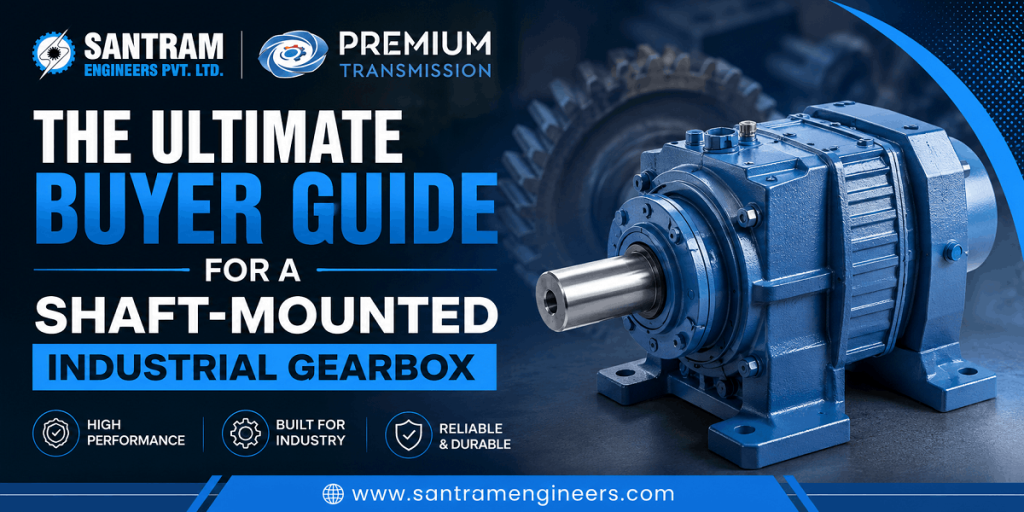
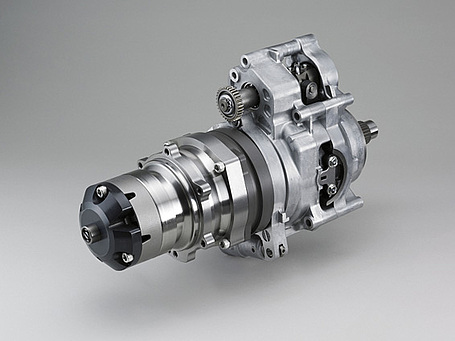
The gearbox, often referred to as the transmission, is where the power from the engine is converted to different torque levels. It contains various gears that adjust the engine’s output to suit different driving conditions. Manual gearboxes require the driver to select gears, providing greater control and efficiency, particularly in applications like industrial machinery and performance vehicles.
In industrial machinery, the same gear ratio principle applies — worm gearboxes, helical gearboxes, and planetary gearboxes each convert motor speed into the torque required by the driven equipment, operating on the same mechanical fundamentals as automotive gearboxes.
Propeller Shaft
The propeller shaft transmits power from the gearbox to the differential. It plays a vital role in connecting the transmission to the vehicle’s rear wheels, enabling motion. The shaft must withstand high torque levels while maintaining flexibility to accommodate changes in the vehicle’s angle during operation.
Differential
The differential is essential for distributing power to the wheels. It allows for differences in wheel speed, especially when turning, ensuring the vehicle maintains traction and control. A properly functioning differential enhances the vehicle’s performance and reduces tyre wear.
Live Axle
A live axle combines the axle housing and differential into a single unit. It connects the wheels and transmits power while allowing for movement. This component is critical in maintaining stability and providing consistent performance across various driving conditions.
Flywheel, Pressure Plate & Clutch Disc
The clutch assembly itself is made up of three critical parts that work together. The flywheel is a heavy metal disc bolted to the engine’s crankshaft that stores rotational energy and provides a smooth mating surface. The pressure plate clamps the clutch disc against the flywheel using strong springs, while the clutch disc is the friction component that actually transmits torque between the two. When these parts wear out, drivers usually notice slipping gears, a burning smell, or a spongy clutch pedal.
Input Shaft, Output Shaft & Countershaft
Inside every manual gearbox, three shafts do the real work of changing gear ratios. The input shaft carries power in from the clutch, the countershaft (or layshaft) holds a cluster of gears that mesh with the main shaft, and the output shaft sends the final torque out toward the propeller shaft. Synchronizers mounted on these shafts match gear speeds before engagement, which is what allows smooth, grind-free shifting.
Universal Joints
A universal joint (U-joint) connects the propeller shaft to the differential and compensates for the constant angle changes between the gearbox and the rear axle as the vehicle moves over uneven roads. Without universal joints, the propeller shaft would need to stay in a fixed, straight line — something that’s impossible in real-world driving conditions. Most vehicles use at least two U-joints, one at each end of the propeller shaft.
Rear Axle
The rear axle is the shaft assembly that finally delivers power from the differential to the drive wheels. It supports the vehicle’s weight while simultaneously transmitting torque, which is why axle strength and material quality directly affect a vehicle’s load-carrying capacity. In commercial and industrial vehicles, rear axle design is a major factor in overall transmission system reliability.
Wheels and Tyres
Wheels and tyres are the final link in the transmission system chain — the point where all the torque generated by the engine actually converts into forward motion. Tyre size, tread design, and inflation pressure all affect how efficiently the power delivered by the transmission system is converted into usable traction, which is why transmission performance and tyre condition are closely connected in real-world vehicle efficiency.
Manual Transmission System:
A manual transmission many times referred to as standard transmission requires a driver to select the gear within the automotive gearbox in order to achieve the desired speed. Speaking about how the entire system works, refer to the diagram below.
The green shaft which comes from the engine through the clutch allows you to get connected and disconnected with a push of a clutch pedal. I mean the moment you push the clutch pedal, the transmission gets disconnected so that the engine runs even when the car is standing still and once you release the pedal, the green shaft and gear turns at the same RPM as that of the engine.
Next is the red shaft, commonly known as the layshaft. The green shaft and the red shaft are directly connected with each other with the help of meshed gears. As the green shaft spins, the layshaft receives its power directly from the engine whenever the clutch is engaged.
Other than these two power transmission products, you will see a yellow shaft, blue ones which ride on the bearings and end up spinning the yellow ones (splined shaft).
How Does a Manual Transmission System Work? — Step by Step
Understanding the complete power flow helps engineers, buyers, and vehicle owners diagnose transmission problems accurately. Here is the full sequence from engine to wheels:
- Engine generates torque at the crankshaft, stored momentarily in the flywheel
- Clutch engages — pressure plate clamps clutch disc against flywheel, connecting engine to gearbox input shaft
- Gearbox selects ratio — synchronizers match gear speeds; driver shifts lever to required gear
- Output shaft transmits torque at the selected ratio toward the propeller shaft
- Universal joints compensate for drivetrain angle changes as the vehicle moves over road variations
- Differential splits torque between both drive wheels, allowing speed differences during cornering
- Rear axle delivers torque outward to the final drive wheels
- Wheels and tyres convert rotation into forward traction — the end of the transmission chain
Key Components of an Automatic Transmission System
Automatic transmission systems are sophisticated mechanical setups that enable seamless gear shifting without driver intervention. Understanding their key components can help businesses and individuals optimise the performance and maintenance of their power transmission products.
Planetary Gearbox
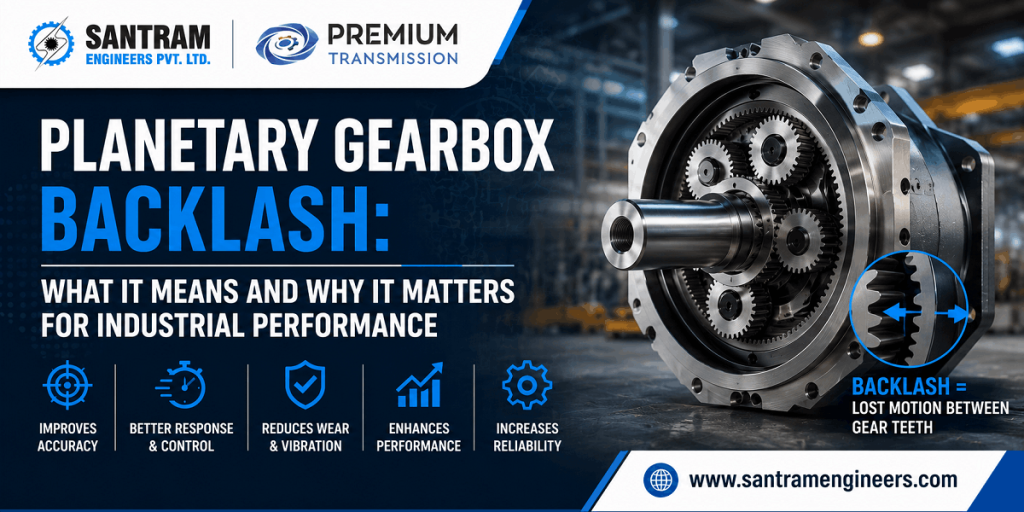
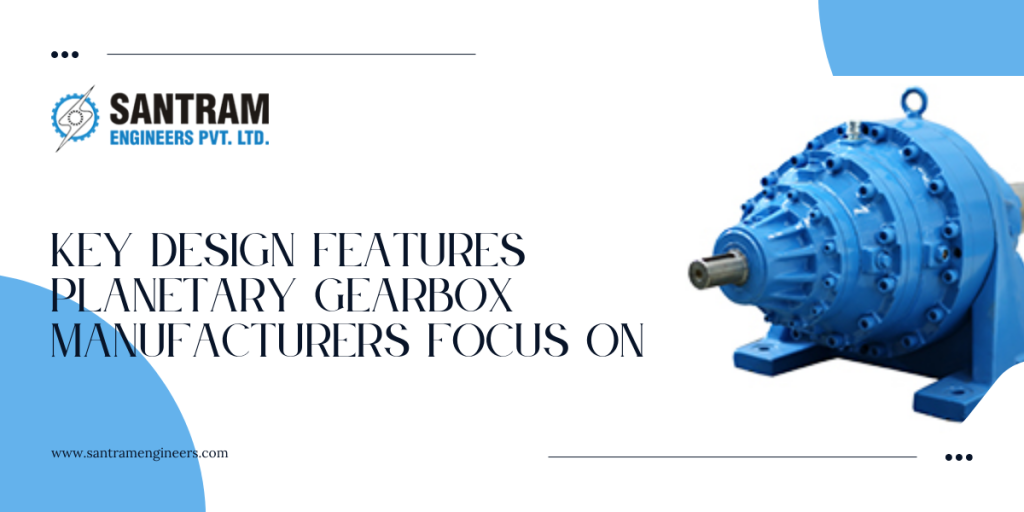
At the heart of the automatic transmission lies the planetary gearbox. This mechanical system comprises sun gear, planet gears, and a ring gear, allowing for various forward gear ratios and reverse. The design facilitates compactness and efficiency, making it a preferred choice for modern vehicles. Planetary gearboxes enable smooth transitions between gears, enhancing acceleration and overall drivability.
The Hydraulic System
The hydraulic system is crucial for the operation of an automatic transmission system. A specific transmission fluid is pumped under pressure by an oil pump through the valve body. This pressurised fluid controls the clutches and bands, allowing for precise gear engagement. The hydraulic system’s effectiveness is vital for maintaining smooth shifts and overall transmission performance.
Valve Body
The valve body is often called the “brain” of an automatic transmission. It’s a complex maze of hydraulic passages, valves, and solenoids that directs pressurised transmission fluid to the exact clutch packs and bands needed for each gear change. Modern valve bodies work closely with the Transmission Control Module (TCM) to time shifts precisely, which is why a faulty valve body is one of the most common causes of harsh or delayed automatic gear shifts.
Seals and Gaskets
To ensure the hydraulic system functions correctly, seals and gaskets play an essential role in preventing oil leaks. These components maintain pressure within the transmission, which is critical for optimal performance. Any leakage can lead to decreased efficiency and potential damage to the transmission system.
The Torque Converter
The torque converter acts as a fluid coupling between the engine and the transmission. It allows the vehicle to stop while still in gear, preventing stalling. By multiplying engine torque during acceleration, the torque converter enhances the vehicle’s responsiveness and performance.
Governors and Sensors
Governors and sensors monitor vehicle speed and motion, determining when to shift gears. These automatic transmission components provide real-time data to optimise performance and efficiency, ensuring gear changes occur at the most advantageous times.
Transmission Control Module (TCM)
In modern vehicles, the Transmission Control Module (TCM) is crucial for controlling the automatic transmission. This computer controls all shift points, directing electrical solenoids to ensure seamless gear changes. The TCM enhances overall vehicle performance and can adapt to changing driving conditions, contributing to a more efficient driving experience.
How Does an Automatic Transmission System Work?
An automatic transmission system simplifies driving by automatically changing gear ratios as the vehicle moves. At its core, the system uses a combination of hydraulic pressure, electronic controls, and mechanical components to shift gears without driver input.
When the engine runs, it drives the torque converter, which multiplies torque and transmits power to the transmission. The hydraulic system, powered by an oil pump, sends transmission fluid under pressure to engage the appropriate clutches and bands. This action allows the planetary gear sets to provide various gear ratios.
The TCM monitors vehicle speed and load, adjusting shift points for optimal performance. Sensors provide real-time feedback, ensuring smooth transitions and efficient power delivery. This seamless integration of components results in a smoother driving experience, better fuel efficiency, and reduced wear on the drivetrain, making automatic transmissions a popular choice for modern vehicles.
Manual vs Automatic Transmission Components at a Glance
| Component Type | Manual Transmission | Automatic Transmission |
|---|---|---|
| Engine connection | Clutch (flywheel, pressure plate, clutch disc) | Torque converter |
| Gear change mechanism | Driver-operated shift fork & synchronizers | Planetary gearbox + hydraulic clutches/bands |
| Control system | Manual (driver input) | Transmission Control Module (TCM) + sensors |
| Power delivery path | Input shaft → Countershaft → Output shaft | Torque converter → Planetary gear sets → Output shaft |
| Driver skill required | High — clutch timing and gear selection are manual | Low — system manages all gear changes automatically |
| Common failure points | Clutch disc, synchronizers, input shaft bearing | Valve body, torque converter, solenoids, TCM |
| Common final components | Propeller shaft, universal joints, differential, rear axle, wheels & tyres | |
Transmission System Components in Industrial Machinery
While automotive transmission systems deliver power to vehicle wheels, industrial transmission systems follow the same fundamental principles — just at different scales and for different output requirements. In industrial machinery, the gearbox is the most critical component in the chain, converting the high-speed, low-torque output of an electric motor into the precise speed and torque needed by conveyors, mixers, extruders, and material handling equipment.
Santram Engineers (SEPL), India’s No.1 authorised Premium Transmission dealer with 40+ years of industrial application experience, supplies the complete range of industrial gearboxes for power transmission systems across India:
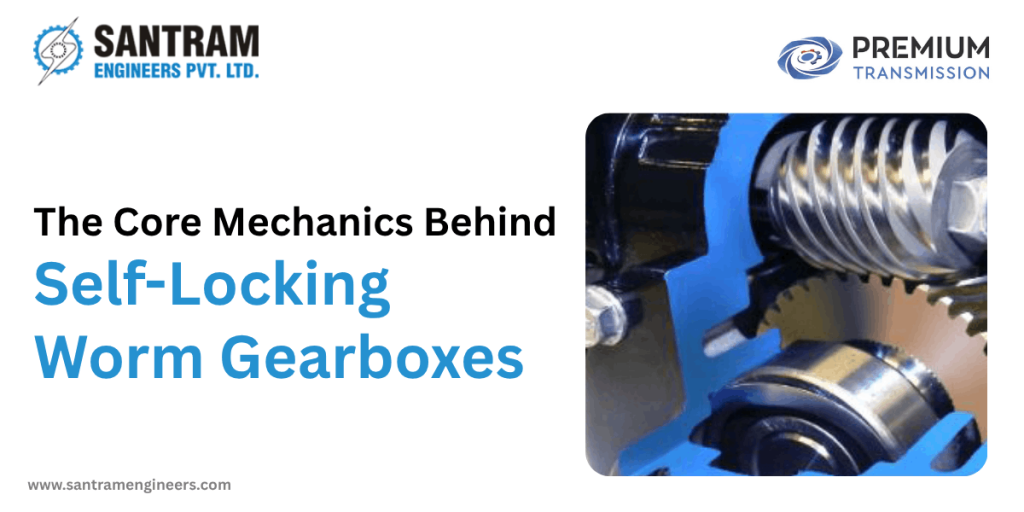
- Worm Gearboxes — High reduction ratios (5:1 to 4900:1) for conveyors and packaging lines
- Helical Gearboxes — Up to 98% efficiency for cement, steel, and paper industries
- Planetary Gearboxes — Compact high-torque drives for robotics and CNC machinery
- Geared Motors — Integrated motor-gearbox units for automation and textile industries
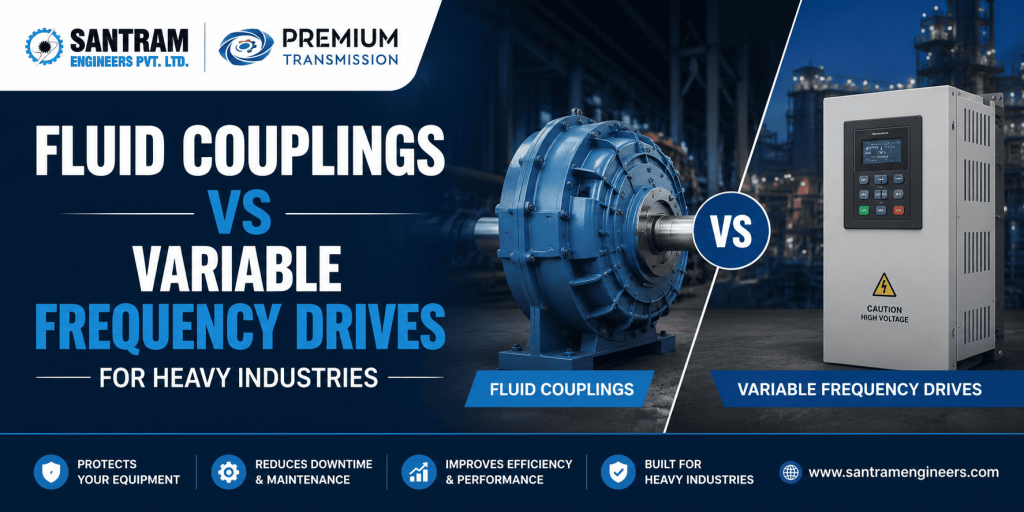
- Fluid Couplings — Soft-start and overload protection for heavy drives
Frequently Asked Questions
1. What are the main types of transmission systems?
Transmission systems generally fall into two categories: manual and automatic. Manual transmissions need the driver to shift gears manually, while automatic counterparts automatically adjust gears based on speed and load. Each type has distinct advantages, such as driver control in manual systems and ease of use in automatics.
2. How do I know if my transmission system is failing?
Signs of a failing transmission system may include slipping gears, unusual noises, fluid leaks, or warning lights on the dashboard. If you experience delayed shifts or the vehicle hesitates while accelerating, it’s crucial to have your transmission components inspected promptly.
3. What role does transmission fluid play in a transmission system?
Transmission fluid is vital for lubrication, cooling, and hydraulic pressure within the system. It ensures the smooth operation of transmission components and helps to prevent overheating. Regularly checking and changing the transmission fluid is essential for maintaining optimal performance.
4. Can I upgrade my transmission components for better performance?
Yes, upgrading specific transmission system parts can enhance performance. Options include high-performance clutches, aftermarket gear sets, or improved torque converters. These upgrades can provide better responsiveness and efficiency, especially for vehicles used in demanding applications.
5. How is the gearbox of a manual transmission system different from that of an automatic transmission system?
A manual gearbox requires the driver to physically select gears using a clutch pedal and gear lever, giving more direct control over engine speed and torque delivery. An automatic gearbox — typically a planetary gear set — shifts gears automatically based on speed, load, and throttle input managed by the Transmission Control Module (TCM). Neither is universally superior; manual systems offer better fuel efficiency in skilled hands, while automatic systems reduce driver fatigue in stop-start urban conditions.
6. What are the main parts of a transmission system?
The main parts of a transmission system are the clutch (or torque converter), gearbox, propeller shaft, universal joints, differential, rear axle, and the drive wheels. Together, these parts carry engine power through a series of connected components, converting it into the torque and speed needed to move the vehicle.
7. What is the difference between a transmission “part” and a transmission “component”?
In practice, the terms are used interchangeably. “Components” usually refers to the major functional units of the system — like the gearbox or differential — while “parts” can also include the smaller pieces inside those units, such as the clutch disc, synchronizers, or valve body.
8. Which transmission component fails most often?
Clutch components (in manual transmissions) and the valve body or torque converter (in automatic transmissions) are among the most common failure points, since they handle constant friction, heat, and hydraulic pressure. Regular fluid checks and early attention to slipping or noise can prevent most major transmission repairs.
Understanding the components of a transmission system — whether for vehicle maintenance or industrial equipment selection — begins with recognising that every part in the chain depends on the one before it. A well-specified gearbox at the centre of the system determines the efficiency and service life of every downstream component. For industrial buyers and plant engineers across India, Santram Engineers’ technical team is available to assist with gearbox selection, application support, and after-sales service. Contact SEPL at +91 96247 39393 to discuss your power transmission requirements.