

Industrial operations are known for their substantial energy consumption. In sectors ranging from manufacturing to mining and agriculture, machinery and equipment run on a continuous cycle, consuming large amounts of energy. A significant portion of this energy is used by industrial gearboxes, which are integral in transmitting power across a variety of machines. Even minor inefficiencies in gearbox operation can add up to substantial costs over time. In fact, poor gearbox performance can result in not only higher energy bills but also increased machine wear, more frequent breakdowns, and higher maintenance costs.
Efficiency isn’t just a trend; it’s essential. Industrial gearboxes are vital components in ensuring that energy is transferred efficiently from one part of the system to another, which ultimately reduces operational costs. When selected and maintained properly, energy-efficient gearboxes help companies maximise operational savings, minimise downtime, and prolong the life of machinery.
This blog will explore how you can maximise your operational savings by selecting, using, and maintaining the right energy-efficient industrial gearboxes. We’ll dive into the key metrics, design considerations, and operational best practices that play a role in improving gearbox efficiency. Additionally, we’ll discuss the importance of partnering with trusted gearbox manufacturers like Premium Transmission Limited for long-term cost savings.
By the end of this guide, you’ll have a comprehensive understanding of how the right industrial gearbox can positively impact your bottom line and why energy efficiency should be at the forefront of your purchasing and maintenance decisions.
What Makes a Gearbox “Energy‑Efficient”?
When it comes to energy efficiency, understanding how gearboxes operate is the first step. Gearbox efficiency refers to the ratio of output power (the usable mechanical power delivered to the machine) to input power (the energy consumed to drive the gearbox). The closer this ratio is to 100%, the more efficient the gearbox is in converting input power to output power, without wasting energy in the form of friction, heat, or other losses.
Power Losses in Gearboxes
The key to energy efficiency lies in minimising power losses, which happen in a few critical areas:
- Friction: This is the primary culprit behind energy loss in industrial gearboxes. As gears rotate, they rub against each other, which generates heat and reduces the amount of usable energy. The surfaces of the gears, bearings, and shafts can cause friction unless they are treated or lubricated properly.
- Thermal Losses: Gearboxes generate heat during operation, and if this heat is not properly dissipated, it can lead to thermal losses. The excess heat not only wastes energy but also accelerates wear and tear on the gearbox components, ultimately reducing their lifespan and efficiency.
- Poor Lubrication: Lubricants are essential in reducing friction. If the lubricant is of poor quality or the lubrication system is not maintained properly, friction increases, leading to greater energy consumption. The right lubricant type, viscosity, and change intervals are all critical to maintaining efficiency.
- Misalignment: If the shafts or gears are misaligned during installation or due to wear over time, this misalignment can cause additional friction and stress, leading to higher energy consumption and faster degradation of components.
- Material Wear: Over time, the materials in the gearbox, including gears and bearings, wear down, which increases friction. High-quality materials and precision manufacturing can help reduce this wear and maintain efficiency for longer.
Key Efficiency Metrics
Three key metrics are used to define the efficiency of a gearbox:
- Mechanical Efficiency: This is the most commonly used metric to assess gearbox efficiency. It measures how much of the input energy is converted into useful output energy, with the remainder lost to friction and other inefficiencies. A high-efficiency gearbox typically achieves a mechanical efficiency rate of 95–98% under ideal conditions.
- Thermal Efficiency: Gearboxes that maintain low temperatures are more efficient, as excess heat directly leads to energy loss. A well-designed gearbox will have a high thermal efficiency, meaning it can operate without generating unnecessary heat.
- Lubrication Efficiency: Proper lubrication minimises friction between moving parts and helps maintain the gearbox’s efficiency over time. Synthetic lubricants are often preferred for their ability to handle high-temperature environments and maintain consistency over long periods.
By focusing on these key efficiency metrics, you can evaluate the performance of your industrial gearboxes and ensure they are providing the most energy-efficient operation possible.
Design & Manufacturing Factors that Determine Gearbox Efficiency
When evaluating or purchasing an industrial gearbox, several design and manufacturing factors can have a significant impact on its energy efficiency. Gearbox manufacturers use a variety of advanced engineering techniques to ensure that their products deliver high efficiency over time. Here’s what you should keep in mind when looking for an energy-efficient industrial gearbox:
Gear Type and Geometry
The type of gear used in the gearbox plays a large role in how efficiently the gearbox operates. Common gear types include:
- Helical Gears: These gears are designed with angled teeth, which provide smoother engagement between the teeth, reducing friction and improving efficiency.
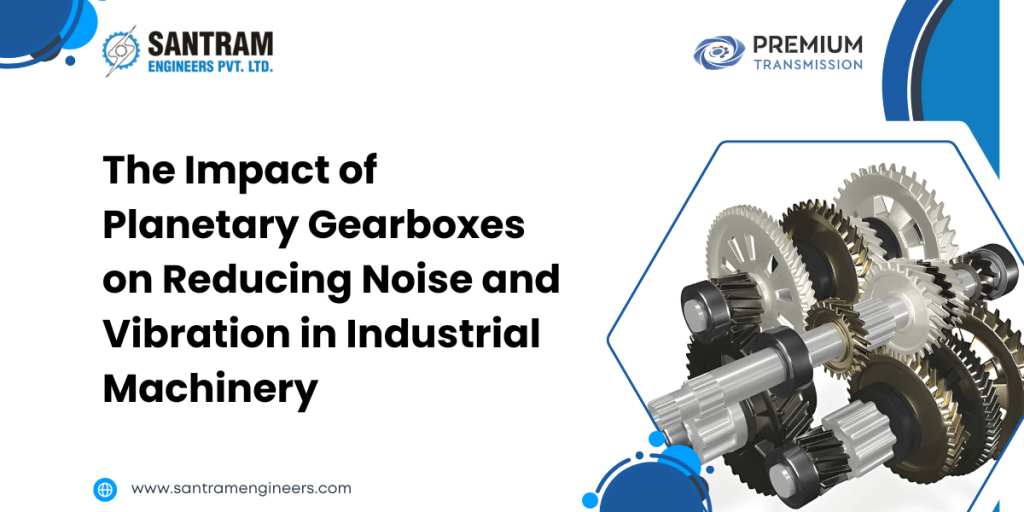
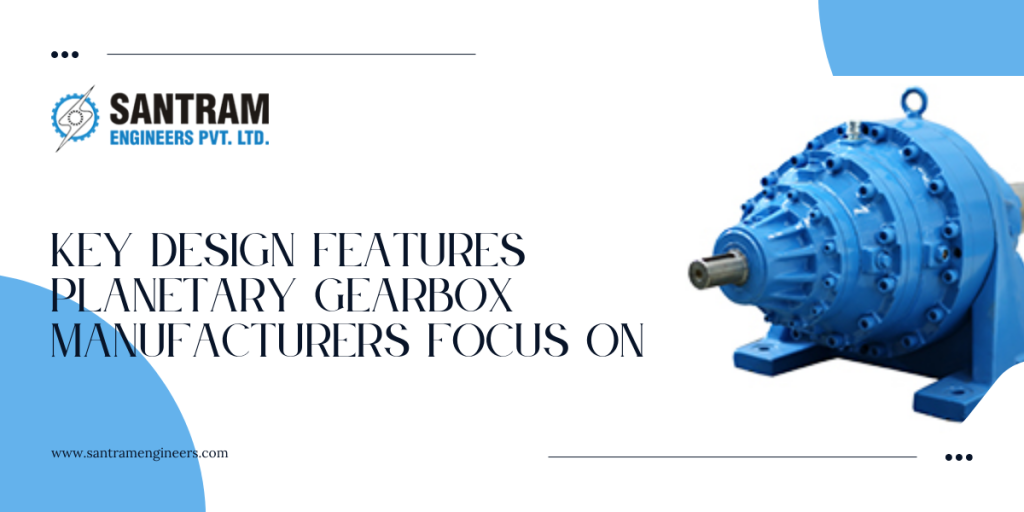
- Planetary Gears: These gears are compact and highly efficient, as they distribute the load evenly across multiple gears, reducing friction and wear.
- Spur Gears: While these gears are simple and cost-effective, they are typically less efficient than helical or planetary gears due to the higher friction caused by their design.
Choosing the right gear type based on your application needs will ensure that you get the best performance from your gearbox.
Material Quality & Surface Treatment
The materials used to manufacture the gearbox’s components play a crucial role in its efficiency. Hardened steel or high-quality alloys like nickel or chromium-based alloys are often used in premium gearboxes to reduce wear and friction. Additionally, advanced surface treatments such as nitride hardening, carburising, and polishing can significantly reduce friction and wear, enhancing the efficiency of the gearbox and extending its lifespan.
Precision Manufacturing & Tolerances
Precision manufacturing ensures that the gears, shafts, and bearings are made to exact specifications, with tight tolerances. This attention to detail reduces friction caused by misalignments or imprecise component fit. Gearboxes that are manufactured with high precision will perform more efficiently and experience less wear over time.
Optimal Gear Ratios & Load Matching
It’s important to match the gearbox’s gear ratio to the application’s load capacity and operational requirements. Oversized gearboxes that are operating under light loads can be inefficient because they consume more energy than necessary. Similarly, undersized gearboxes that are subjected to heavy loads may struggle to meet the required torque, leading to energy waste and potential failure. Properly sizing and matching the gearbox to the load ensures that it operates within its optimal efficiency range.
Quality Lubrication and Sealing
Lubrication plays a critical role in maintaining a gearbox’s energy efficiency. High-quality lubricants reduce friction and wear, allowing the gearbox to operate at peak efficiency. Synthetic oils are commonly used in energy-efficient gearboxes because they maintain stable performance even under varying temperatures and loads. Additionally, proper sealing prevents contamination of the lubricant, ensuring that it lasts longer and continues to perform effectively.
Best Practices for Maintaining Efficiency Over Time
Even if you invest in a high-quality industrial gearbox, it’s crucial to ensure that it is properly operated and maintained to preserve its energy efficiency. Here are several best practices for maintaining the efficiency of your gearboxes:
Regular Lubrication and Oil Maintenance
One of the most important maintenance tasks for ensuring long-term gearbox efficiency is regular lubrication and oil maintenance. Follow the manufacturer’s guidelines for the correct type of lubricant, viscosity, and oil change intervals. Using high-quality lubricants that are designed for the specific conditions in which the gearbox operates will minimise friction and prevent energy losses.
Proper Alignment & Installation
Proper installation and alignment are essential to maintaining efficiency. Misalignment causes friction, heat, and excessive wear, all of which can lead to energy losses. During installation, it’s important to ensure that the gearbox’s shafts and gears are aligned to the manufacturer’s specifications. If the gearbox is misaligned over time, it will operate less efficiently, causing increased power consumption.
Load Monitoring & Avoiding Overloads/Underloads
A gearbox that operates outside of its design specifications, whether under-loaded or overloaded, will be less efficient. It’s important to monitor the load conditions of your machinery and ensure that the gearbox is operating within its optimal range. Overloading or underloading can cause unnecessary wear and increase energy consumption. Ensuring proper load matching can prevent these issues and extend the gearbox’s lifespan.
Condition Monitoring
Condition monitoring tools such as vibration analysis, temperature sensors, and oil analysis can help detect early signs of wear or misalignment. Regularly monitoring these factors allows you to address potential issues before they become more serious, preventing a decrease in efficiency and reducing the risk of unexpected failures.
Timely Replacement/Upgrades
Old or poorly specified gearboxes may become inefficient over time. If your gearbox is showing signs of excessive wear or struggling to operate efficiently, it may be time to replace it with a more modern, energy-efficient model. Even small improvements in efficiency, such as a 2-3% increase, can result in significant savings over the long term, especially in heavy-duty applications.
The Manufacturer’s Role in Efficiency
Choosing the right gearbox manufacturer is just as important as selecting the right gearbox design. Trusted gearbox manufacturers, like Premium Transmission Limited, play a crucial role in ensuring the efficiency of your industrial gearboxes.
The Role of Quality Manufacturing
Reputed manufacturers invest in quality materials, advanced design, and precise manufacturing techniques to ensure that their gearboxes operate efficiently over time. Premium Transmission Limited, for instance, uses high-grade alloys and advanced surface treatments to minimise friction and wear, ensuring that their gearboxes deliver exceptional performance in demanding applications.
The Importance of Documentation & Support
Reputable manufacturers also provide comprehensive documentation, including load ratings, recommended lubrication, and maintenance schedules. These resources are invaluable for ensuring that gearboxes are operated and maintained in a way that maximises their efficiency throughout their lifecycle. Additionally, manufacturers often offer service support to help with repairs or maintenance, ensuring that your gearbox continues to run efficiently for years.
Long-Term ROI
While premium gearboxes may have a higher upfront cost, their superior performance and longer lifespan often result in significant long-term savings. For example, a 2-3% increase in efficiency could translate to a significant reduction in energy bills, especially for operations that run 24/7. Over time, the cost of a high-efficiency gearbox can be easily justified by the reduced need for maintenance, fewer breakdowns, and lower energy consumption.
Buyer’s Checklist to Evaluate and Select Energy-Efficient Industrial Gearboxes
When purchasing a gearbox, it’s crucial to evaluate the gearbox’s design and efficiency metrics. Refer to this checklist to assist in your decision-making process:
- Mechanical Efficiency Rating: Look for gearboxes with a mechanical efficiency of 95% or higher.
- Gear Type: Ensure the gearbox is designed with an appropriate gear type (e.g., helical or planetary) for your application.
- Material Quality: Verify that the gearbox is constructed using high-quality materials like hardened steel or advanced alloys.
- Manufacturing Tolerances: Check that the gearbox meets tight manufacturing tolerances and has accurate shaft alignment.
- Lubricant Type: Ensure that the recommended lubricant type and maintenance schedule are followed.
- Load Rating: Confirm that the gearbox is properly sized for your load and duty cycle.
- Service Support: Ensure that the manufacturer offers reliable service support and spare parts availability.
Common Misconceptions & Pitfalls When Going for “Efficient” Gearboxes
When shopping for a new gearbox, many buyers fall into common misconceptions or traps. Here are some common pitfalls to avoid:
- Bigger is Better: Oversizing a gearbox can result in inefficiencies. It’s important to choose the right gearbox based on the load and duty cycle, not just the size.
- Lubrication Doesn’t Matter: Even the best-designed gearbox won’t function efficiently without proper lubrication. Make sure to adhere to the manufacturer’s guidelines for lubrication.
- Low-Cost Gearboxes Are Always a Bargain: While cheap gearboxes may seem like a good deal upfront, they can lead to higher operational costs in the long run due to increased energy consumption and frequent maintenance.
- Ignoring Operating Conditions: Failing to account for load variations, duty cycles, and environmental factors can result in mismatched gearboxes that waste energy.
Contact Santram Engineers for Energy-Efficient Industrial Gearbox
Santram Engineers is your trusted partner for high-performance, energy-efficient industrial gearboxes. As the largest distributor of Premium Transmission Limited products, we offer advanced gearboxes designed to improve operational efficiency, reduce downtime, and maximise savings. Our products are built with cutting-edge technology, superior materials, and precision engineering to ensure long-lasting performance in demanding industrial environments.
By choosing Santram Engineers, you’re investing in more than just a gearbox. You’re investing in a solution that enhances productivity while lowering your energy consumption and maintenance costs. Our expert team is here to guide you through selecting the perfect gearbox for your needs and providing the support required to keep your systems running smoothly.
Contact Santram Engineers at +91 96247 39393 or email us at sales@santramengineers.com to get an energy-efficient industrial gearbox that will revolutionise your operations. Let us help you achieve greater efficiency and long-term savings.