
A sudden power failure in an industrial facility can create an immediate and serious hazard when heavy loads are involved. A hoist may stop mid-lift, an inclined conveyor may lose holding force, or a transfer system may be left suspended in an unstable position. In that moment, gravity does not wait. Even a small reverse movement can damage machinery, interrupt production, or create a dangerous workplace incident.
This is where the worm gearbox stands out. In the right configuration, it does more than reduce speed and multiply torque. It can naturally resist back-driving, helping hold a load in place even when power is removed. That built-in resistance is one of the reasons this design remains so valuable in industrial lifting, positioning, and material handling systems.
In this blog, we will break down how a worm gearbox works, why lead angle is so important, how lubrication affects stopping power, and why self-locking should never be treated as the only safety measure in critical applications. The goal is simple: remove the jargon and explain the mechanics in a practical way that engineers, maintenance teams, and plant managers can use.
How Non-Reversible Worm Gearbox System Works
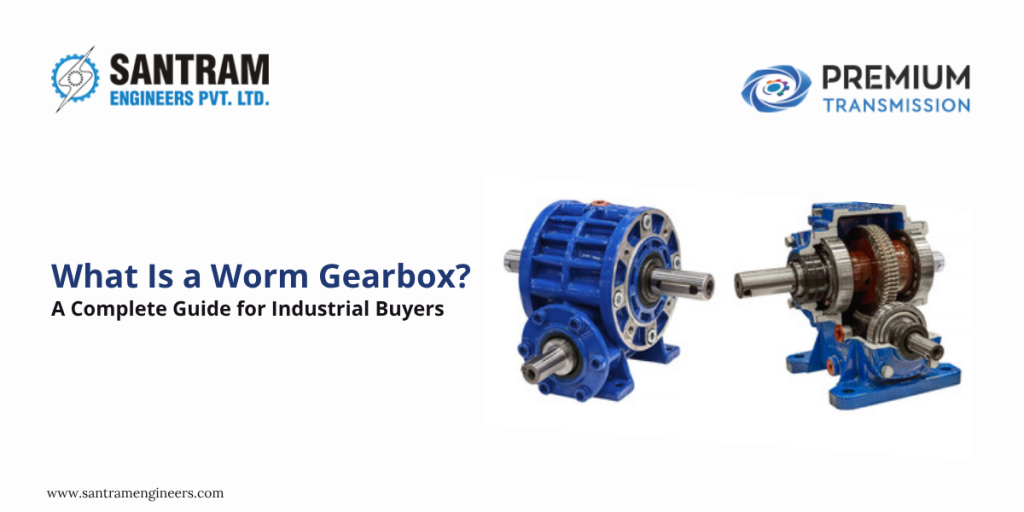
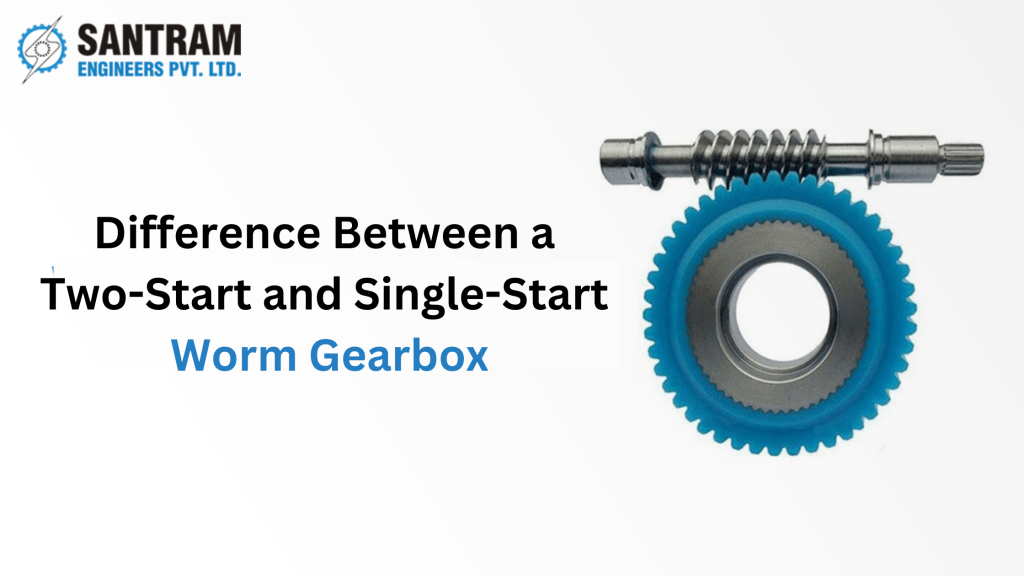
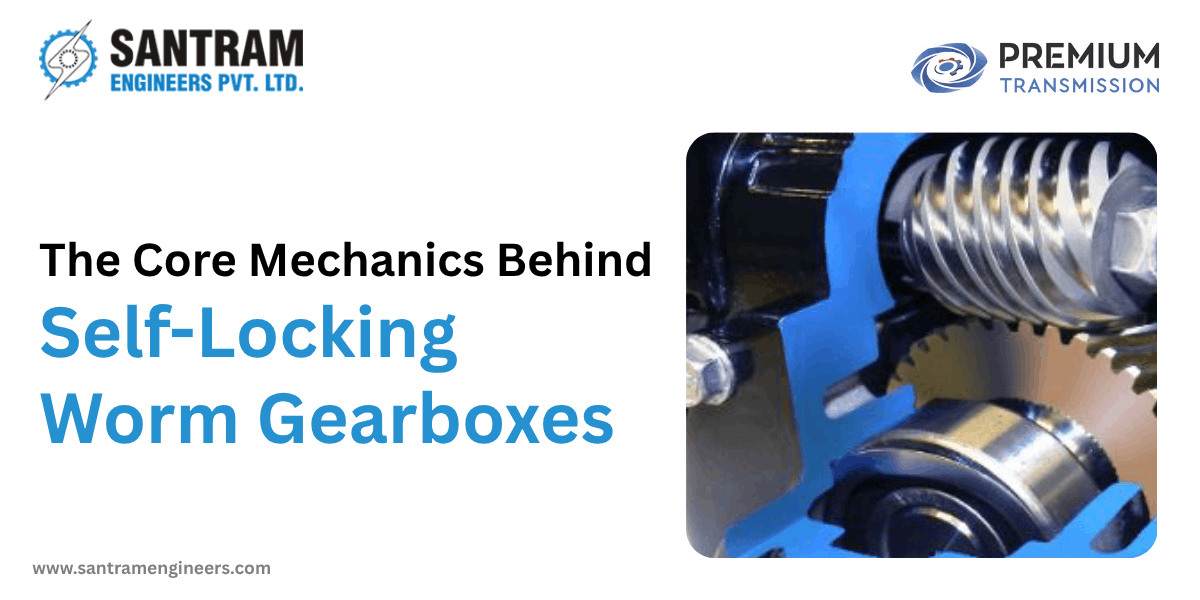
A worm gearbox uses two main parts that mesh at right angles: the worm shaft and the worm wheel. The worm is usually made of hardened steel, while the wheel is often made of bronze or another softer alloy designed to handle the sliding contact.
When the motor turns the worm, the thread on the worm shaft pushes the wheel forward. This creates a smooth and compact speed reduction system that can deliver high torque in a relatively small housing. That is the forward direction, and it is the easy one.
The reverse direction is where the design becomes interesting.
When the load tries to push back, the wheel must force the worm to rotate in the opposite direction. But the contact between the worm and wheel creates significant resistance. In many cases, that resistance is strong enough that the wheel cannot drive the worm backwards. This is why a properly selected worm gearbox can be non-reversible or self-locking.
The reason is not magic. It is friction, geometry, and load interaction working together. When the gearbox stops moving, static friction takes over. Static friction is usually stronger than moving friction, which means the system resists motion more strongly at rest than it does while running. That natural braking effect is what makes the worm gearbox useful in applications where holding power matters as much as motion.
For plant operators, this means the gearbox can help keep a load steady without constant power input. For equipment designers, it means a compact drive solution can also provide load-retention benefits. For safety teams, it means one more layer of protection against unexpected reverse motion.
The Science of Lead Angles and Reverse Motion
The true deciding factor in whether a worm gearbox will self-lock or back-drive is the lead angle. The lead angle is the incline of the worm thread, and it plays a major role in how the gearbox behaves under load.
A low lead angle increases the tendency toward self-locking. A steeper angle improves efficiency but reduces the natural resistance to reverse motion. That is why experienced gearbox manufacturers do not treat worm gear design as a one-size-fits-all solution. They choose the angle based on the machine’s duty, load profile, and safety requirements.
1. Low Angles Block Backward Motion Safely
When the lead angle is low, the thread incline is shallow. That means the wheel has to overcome a much stronger frictional barrier before it can push the worm backwards. In practical terms, this makes reverse motion very difficult.
This is why low-angle worm drives are so common in hoists, lifts, and other vertical load applications. The system is designed so that the load cannot easily drive the motor backwards. In those cases, the worm gearbox acts as a valuable holding element when the machine is idle.
For applications involving suspended loads, that holding effect can be critical. A low-angle design may not be the most efficient from a pure power-transmission standpoint, but it gives the facility something even more important: controlled restraint.
2. Steep Angles Enable Free Reverse Movement
Not every machine needs to lock itself when power is removed. In some applications, reverse rotation is useful or even necessary. Manual operation, fine adjustment, bidirectional positioning, and certain automation systems may require a gearbox that can move backwards without fighting heavy resistance.
That is where steeper lead angles come in.
A steeper lead angle reduces the frictional lock effect and makes the system more willing to back-drive. In these setups, the priority is often smooth motion and better efficiency rather than self-holding. The worm gearbox still provides speed reduction and torque multiplication, but it is not expected to behave like a brake.
This distinction matters. A gearbox should be chosen for the job it is meant to do, not for a feature that sounds appealing in a product brochure.
3. Finding the Right Angle for Your Application
Selecting the right lead angle is a balancing act.
Design engineers usually weigh three things:
- holding power
- operating efficiency
- heat generation
A lower angle increases self-locking capability but can generate more sliding friction and heat. A higher angle improves efficiency but reduces load-retention strength. This is why the application matters so much.
A worm gearbox used in a vertical lift needs a different geometry than one used in a packaging line or indexing table. The load weight, duty cycle, environmental conditions, and safety expectations all influence the final design.
For this reason, the smartest selection process is not “Which gearbox is strongest?” but “Which gearbox matches the actual working condition?”
Why Your Choice of Lubricant Changes the Stopping Power
Lubrication is one of the most underestimated variables in a worm gearbox. Many plant teams focus on ratio, torque, and mounting style, but overlook the oil inside the housing. That is a mistake.
The lubricant not only reduces wear. It also changes the friction behaviour between the worm and wheel. And friction is part of what allows a self-locking worm drive to hold a load.
That means the wrong oil can alter the gearbox’s stopping behaviour.
A highly slippery synthetic lubricant may improve efficiency and reduce operating temperature, but in certain locking applications, it can also reduce the static friction that helps hold the load. In a system designed to resist back-driving, that can become a problem. A gearbox that holds well with one lubricant may begin to creep under the same load with another.
This does not mean synthetic oil is bad. It means lubricant selection must be tied to the application.
In a worm gearbox, the oil must do several things at once. It must protect against wear, reduce thermal stress, and maintain stable performance over time. At the same time, it must not remove so much friction that the gearbox loses the holding ability that the system depends on.
This balance is especially important in load-holding systems. A lubricant that is too thin, too slippery, or not approved for the gearbox can affect the static friction that the system relies on at rest. That is why maintenance teams should never change the oil type casually.
When dealing with industrial gearboxes, the lubricant should always be chosen with the operating condition in mind. A unit used in a conveyor may tolerate a different oil behaviour than one used in a hoist. A gearbox running continuously at high temperature may need a different specification than one used intermittently. Good maintenance is not just about keeping oil in the box. It is about ensuring stable friction performance under all operating conditions.
The practical takeaway is simple: if your worm gearbox is part of a holding application, always confirm the lubricant with the supplier or gearbox manufacturers before making any change. A small maintenance decision can affect stopping power more than many teams realise.
Hidden Dangers of Trusting Worm Gearbox Locks as Sole Safety Brakes
One of the biggest safety mistakes in industrial settings is assuming that a self-locking worm gearbox can replace a dedicated brake.
That assumption is risky.
A gearbox may resist reverse motion under normal conditions, but industrial environments are rarely perfectly normal. Vibration, load shocks, changing temperatures, wear, lubrication changes, and long-term service conditions can all affect how well the gearbox holds.
A worm gearbox is a strong part of the system, but it should not be the only part that prevents a load from moving.
The Impact of Heavy Shock Loads
Shock loads can break static friction faster than many operators expect.
A sudden drop in weight, a vibration spike, an abrupt stop, or a torque surge can momentarily reduce the holding effect inside the gearbox. When that happens, the load may begin to move in reverse. Even a small amount of movement can be dangerous in vertical systems.
This is why a self-locking gearbox should be viewed as a mechanical resistance device, not as a guaranteed safety brake in every condition.
The problem becomes more serious in applications with changing loads or frequent stop-start cycles. In those environments, a worm gearbox may hold well in one moment and behave differently under dynamic stress in another.
When to Install External Fail-Safe Brakes
The rule is straightforward: if a load can injure someone, damage critical equipment, or create a major safety event if it moves backwards, a secondary brake should be part of the design.
This applies especially to:
- hoists
- cranes
- vertical lifts
- suspended load systems
- inclined conveyors with heavy product
- machinery where reverse motion must be impossible during power loss
An external brake provides an independent holding layer. The gearbox may help manage torque and reduce motion, but the brake is the true fail-safe.
In a safe industrial design, the worm gearbox and the brake work together. One supports motion control. The other supports load security. That layered approach is much stronger than trusting a single component to do everything.
This is also where experienced gearbox manufacturers earn their value. They do not just sell a ratio. They help match the drive system to the application so that the load, duty cycle, and safety requirements are all addressed properly.
Where Non-Reversible Drives Deliver the Most Value
A self-locking worm gearbox is most valuable in machines where compact design, smooth torque transmission, and load holding all matter at the same time.
Some of the most common applications include:
- packaging machines
- inclined conveyors
- indexing tables
- lifting equipment
- material handling systems
- gates and positioning drives
In light-duty and medium-duty systems, the built-in holding behaviour can reduce the need for bulky external braking devices. That helps keep the machine layout compact, simpler, and more cost-effective.
It also makes the worm gearbox a practical option for applications where space is tight and motion control matters. For many engineers, that combination of size, torque, and resistance to reverse motion is the main reason worm drives remain so widely used.
Among industrial gearboxes, worm drives continue to deliver strong value whenever the machine must stop, hold, and remain stable without unnecessary complexity.
Secure Your Heavy Machinery with Santram Engineers
Choosing the right worm gearbox is not just a matter of selecting a gear ratio. It is a decision that affects load holding, machine safety, operational efficiency, and long-term reliability.
The geometry, lubricant, operating load, and safety design all matter. In critical applications, even a small mismatch can change how the gearbox behaves under pressure.
That is why Santram Engineers works with customers who need more than a catalogue product. As a trusted supplier, distributor, and dealer of industrial gearboxes and gear motors in India, Santram Engineers helps businesses choose the right drive solution for real operating conditions.
If your application demands precise load control, dependable holding performance, and carefully matched engineering, the right worm gearbox can make all the difference.
For reliable guidance, proven products, and application-focused support, choose Santram Engineers. Call us at +91 96247 39393 or drop us an email at sales@santramengineers.com to get expert guidance on safe, reliable gearbox solutions tailored to your machinery needs.